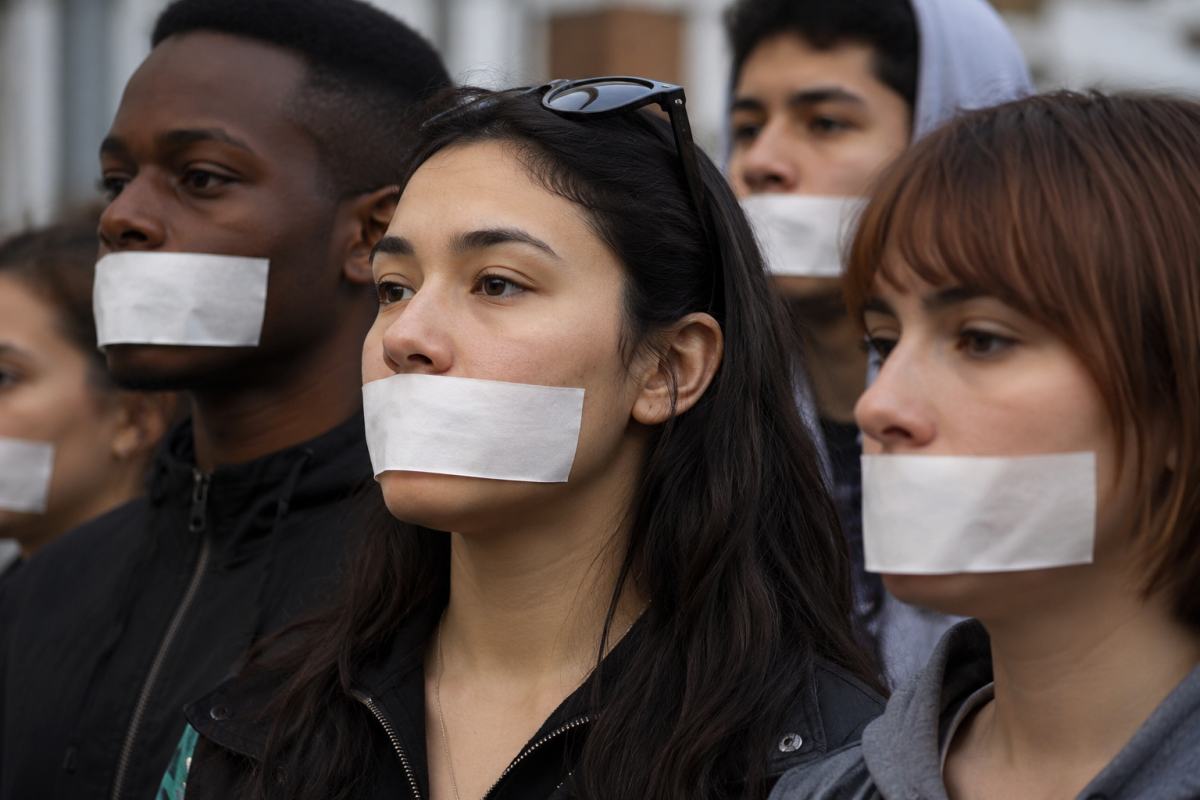
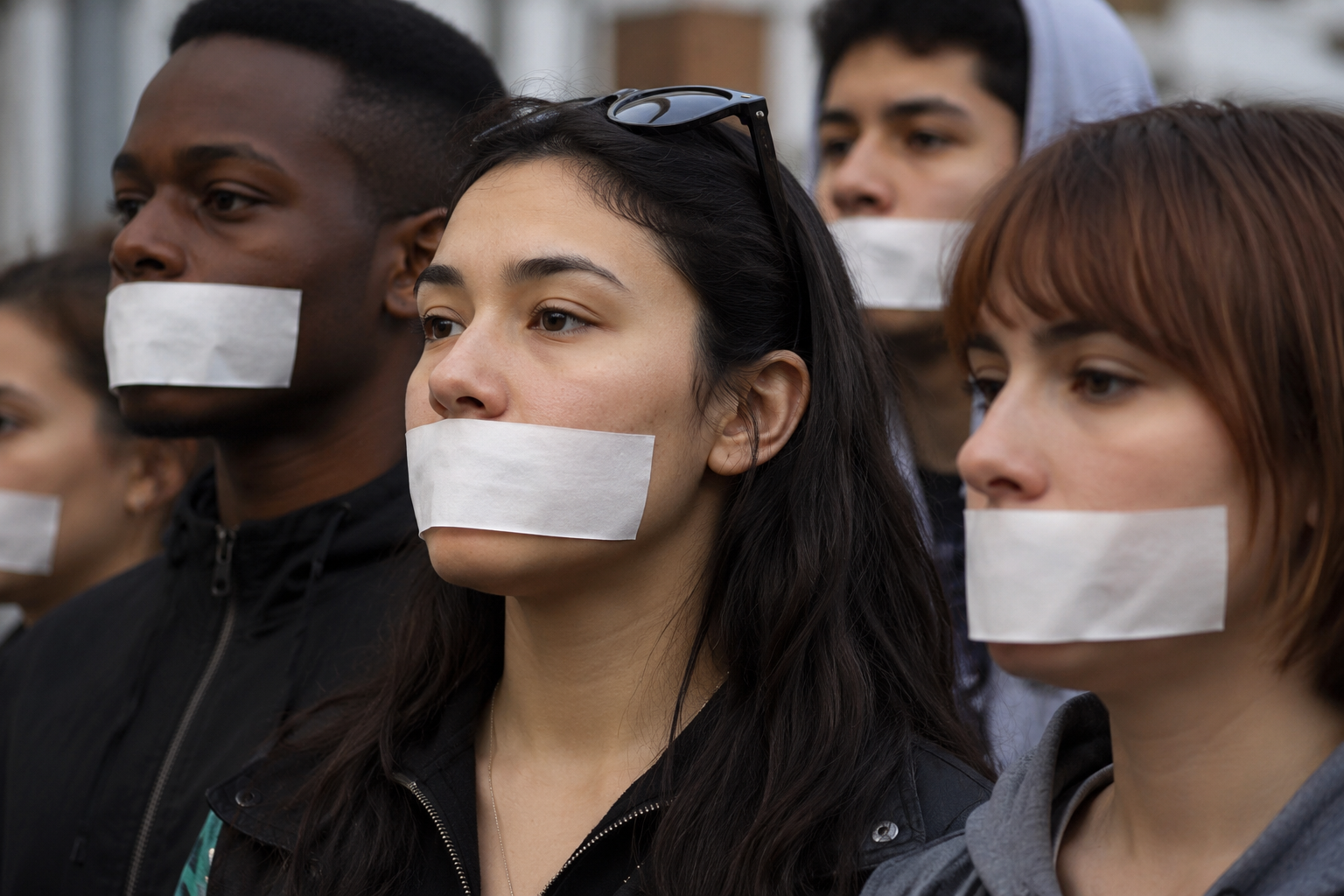
In general, multicultural voters feel safer discussing politics online than in person, but Hispanic Democrats expressed feeling less safe than Republicans, compared with the last election, according to a survey from My Code’s Intelligence Center for La Opinión.
To the question, “Compared to last election, do you feel safer discussing politics online and in person?”, 52% of Hispanic Republicans said they feel “more safe” talking about politics online, while 53% expressed they feel “more safe” discussing politics in person.
Hispanic Democrats are less confident discussing politics online (39%) or in person (41%) than in the last election. The difference compared with Republicans is 13 and 12 percentage points, respectively.
Democrats overall expressed less safety discussing politics online (31%) or in public (34%), compared with Republicans overall (39% and 41%, respectively).
The results confirm that some “voter groups may be more willing to engage openly, while others may still require lower-risk settings, trusted messengers, or private forms of participation”.
Hispanic Gen Z engage more online
The survey adds that, compared with late 2025, Hispanic Gen Z (49%), “is more likely to say discussing politics online feels safer” than multicultural Gen Z (43%) and non-multicultural (28%).
“This is not one uniform youth engagement story. Multicultural identity changes how online political expression is experienced, including whether digital spaces feel open enough for conversation or risky enough to avoid,” the report indicates. “Multicultural Gen Z may be more receptive to online political conversation, while non-multicultural Gen Z may need lower-risk ways to observe, learn, and engage privately.”
Voters who express less safety in discussing politics online or in person justify their decision on three possible consequences: “concerned about what to say publicly”, “fear public retaliation or being targeted”, and “fear backlash”.
Personal cost of speaking up
The Intelligence Center’s report includes some opinions from its Culture Collective —a focus-group-type exercise —where some participants express specific opinions on different issues. In this case, the responses show that avoiding political discussions “is often a deliberate tradeoff.”
“Voters describe limiting what they say to protect their jobs, relationships, personal safety, and peace of mind”, the report said. “Professional risk changes where and how political engagement should happen. Outreach that asks voters to display support publicly, discuss politics with colleagues, or connect participation to their workplace identity may create unnecessary friction. Private, direct, and off-hours engagement can lower that barrier.”
The report does not include names of participants, but it specifies their ethnicity or race and the age group.
“I am worried about having political disagreements at work, so politics is completely off the table at work. Online, I am concerned about judgment and thinking that what I say might be misinterpreted,” said a black male, 25-34.
An Asian-American (AANHPI) male in the 25-34 age group prefers to keep his opinions private.
“I am remaining politically active in private while avoiding heated conversations to prevent backlash,” he said.